Overview
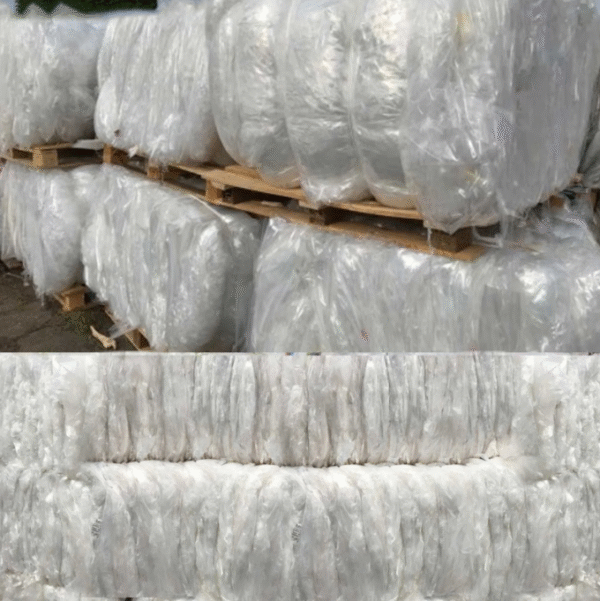
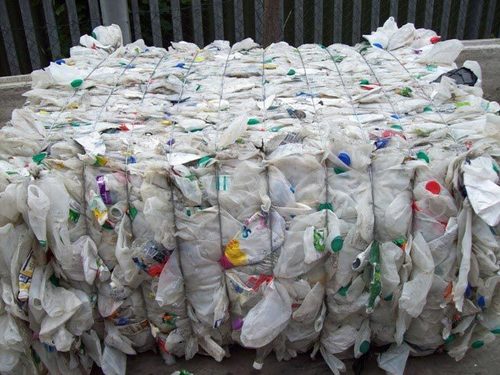
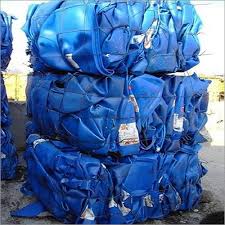
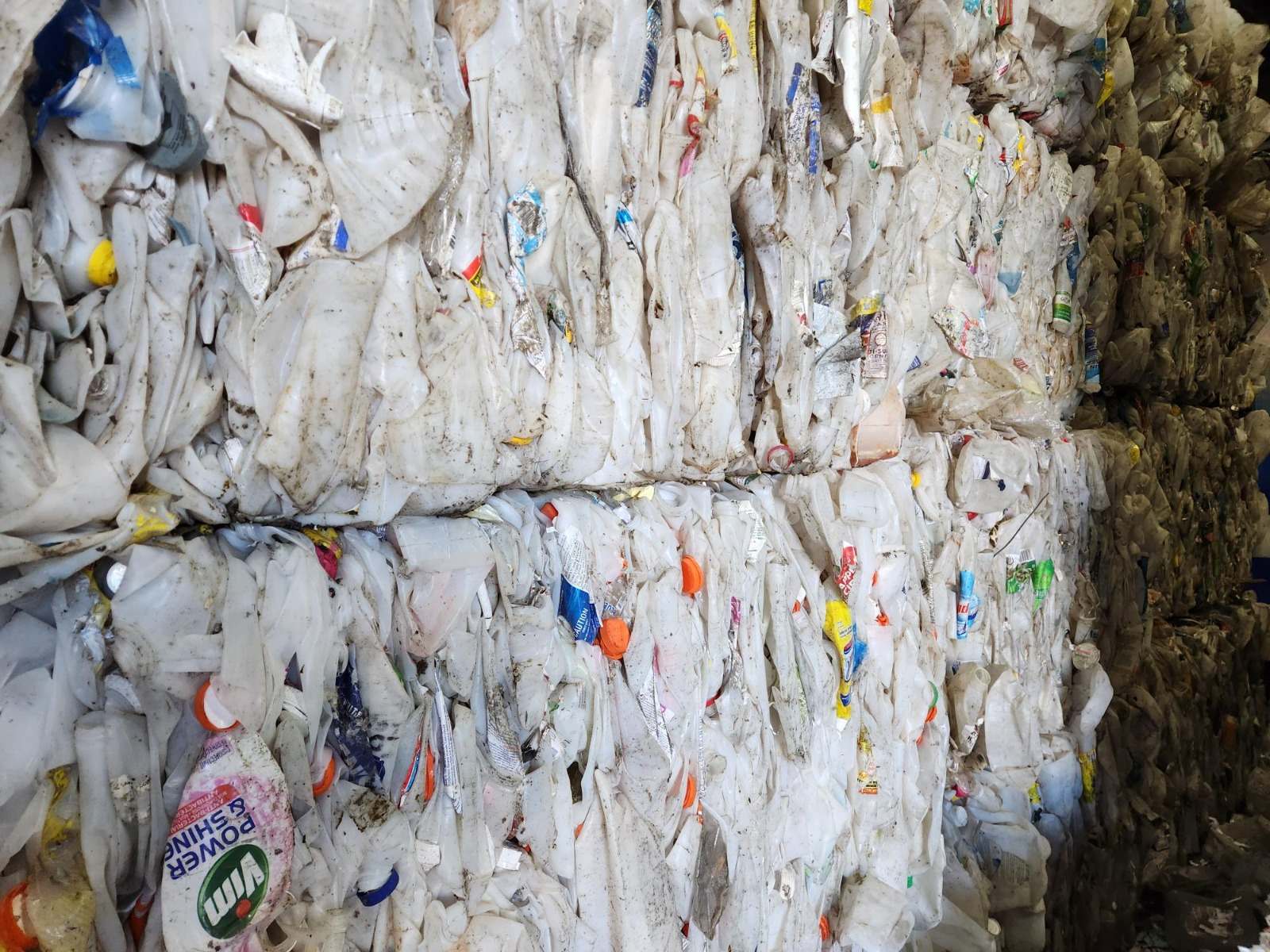
This product combines three baled rigid HDPE categories: HDPE milk bottle bales (natural HDPE from bottle collection streams), blue drum scrap bales (compressed blue drum rigid scrap), and HDPE natural bottle bales (segregated natural bottle fraction).
Baling increases bulk density for transport and storage. Natural streams favour higher clarity after washing when contamination is controlled; blue drum bales provide a pigmented, drum-identified feed. Bale dimensions, strap type, and typical piece size vary by baler and supplier practice.
Physical and sortation characteristics
Incoming bales may include caps, rings, labels, or occasional non-HDPE components depending on collection and sort quality. Moisture ingress through strapping or outdoor storage can affect subsequent drying load. Blue pigmentation in drum bales is usually from the drum body resin rather than masterbatch alone.
Typical processing routes
- Shredding followed by sink–float or dry sortation
- Hot or cold washing to flake
- Extrusion to pellet for film, pipe, or moulding applications
End-use context
Food-contact suitability of the final recyclate depends on wash performance, contamination limits, and regulatory requirements in the destination market—not on the bale title alone.
Origin: South Africa.